

SEARCH


We tailor our maintenance work and the timing of these activities to the needs of the species and habitats.
In many areas of the parks, we designate biodiversity zones where nature takes precedence and where people and dogs should not be present. Maintenance work in these areas is kept to an absolute minimum. We often mark such areas with information boards. We sometimes also fence them off with brushwood fences, which provide microhabitats for creatures such as newts, hedgehogs and invertebrates.
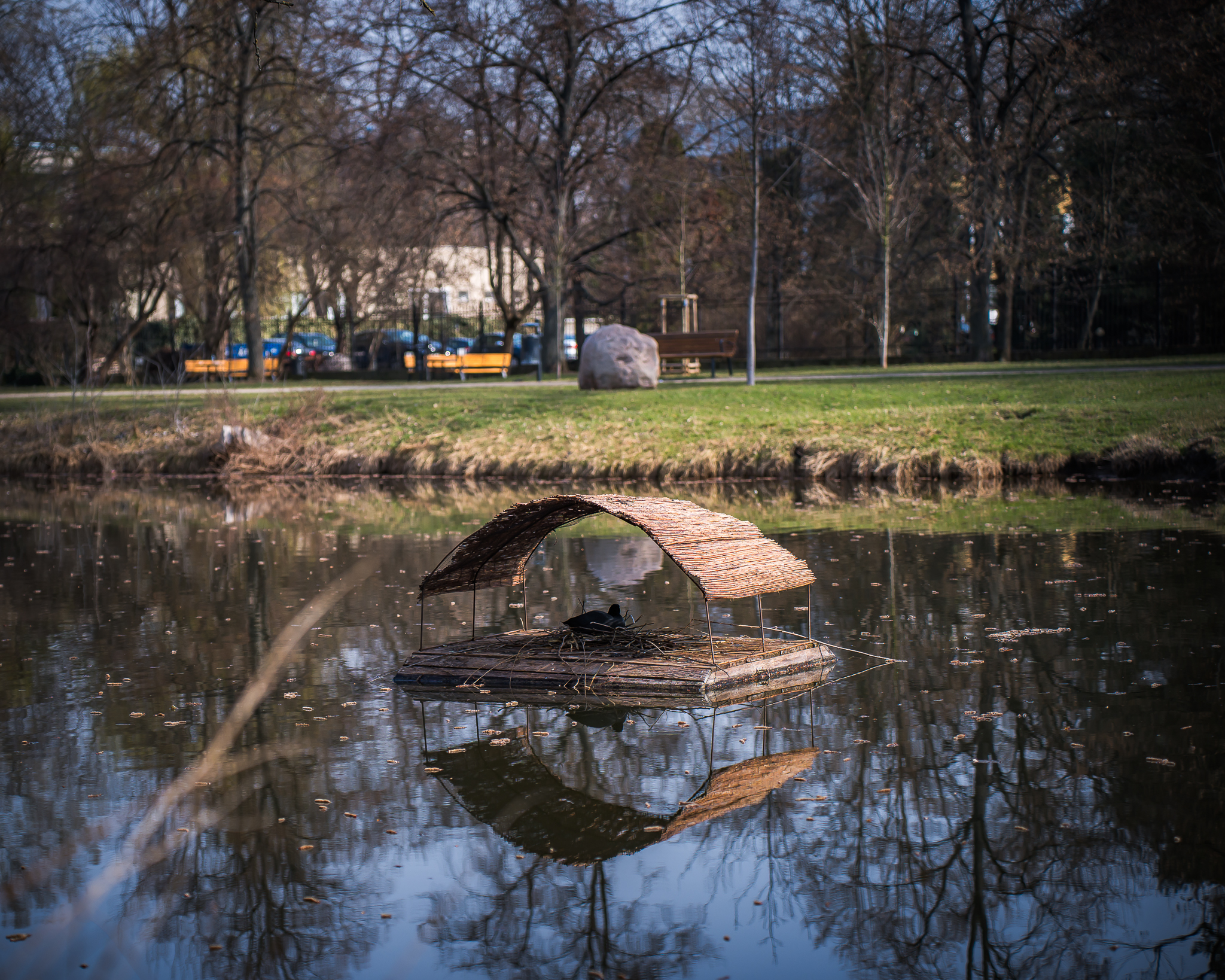
We look after the animals found in our area. We provide them with artificial shelters, such as: nesting boxes and platforms for birds, boxes for squirrels and bats, and wintering grounds and hiding places for amphibians.
By limiting mowing, we are seeing an increase in the number of plant species on verges and in parks. This, in turn, leads to an increase in the number of other organisms directly or indirectly associated with these plants. You can read more about our mowing practices in the Lawns and Meadows section.
In many places, we do not rake leaves, or we create piles from the raked leaves. Leaving the leaves to decompose creates humus. Additionally, the layer of leaves retains water. Leaves piled in heaps also provide shelter and food for animals – invertebrates, amphibians and small mammals – which in turn serve as food for other predators.
Wherever possible, we leave dead trees standing. Before doing so, we ensure that they do not pose a hazard. The hollows and crevices within them provide shelter for insects, birds and bats. Dead wood is also fed upon by arthropods known as saprophages. Dead trees are also home to numerous species of fungi and lichens. They therefore fulfil very important functions in nature, particularly crucial for the cycle of matter and energy.
If it is not possible to leave standing (dead or dying) trees, we often leave fallen logs or piles of branches.
We also pay attention to the plants we plant, removing invasive species and those we know may become potentially invasive. We strive to introduce native species to a greater extent.
We adjust the timing of filling and cleaning reservoirs or maintaining watercourses to suit the ecology of aquatic organisms (e.g. amphibians or birds).
Audio description of the podcast is available on our YouTube channel.
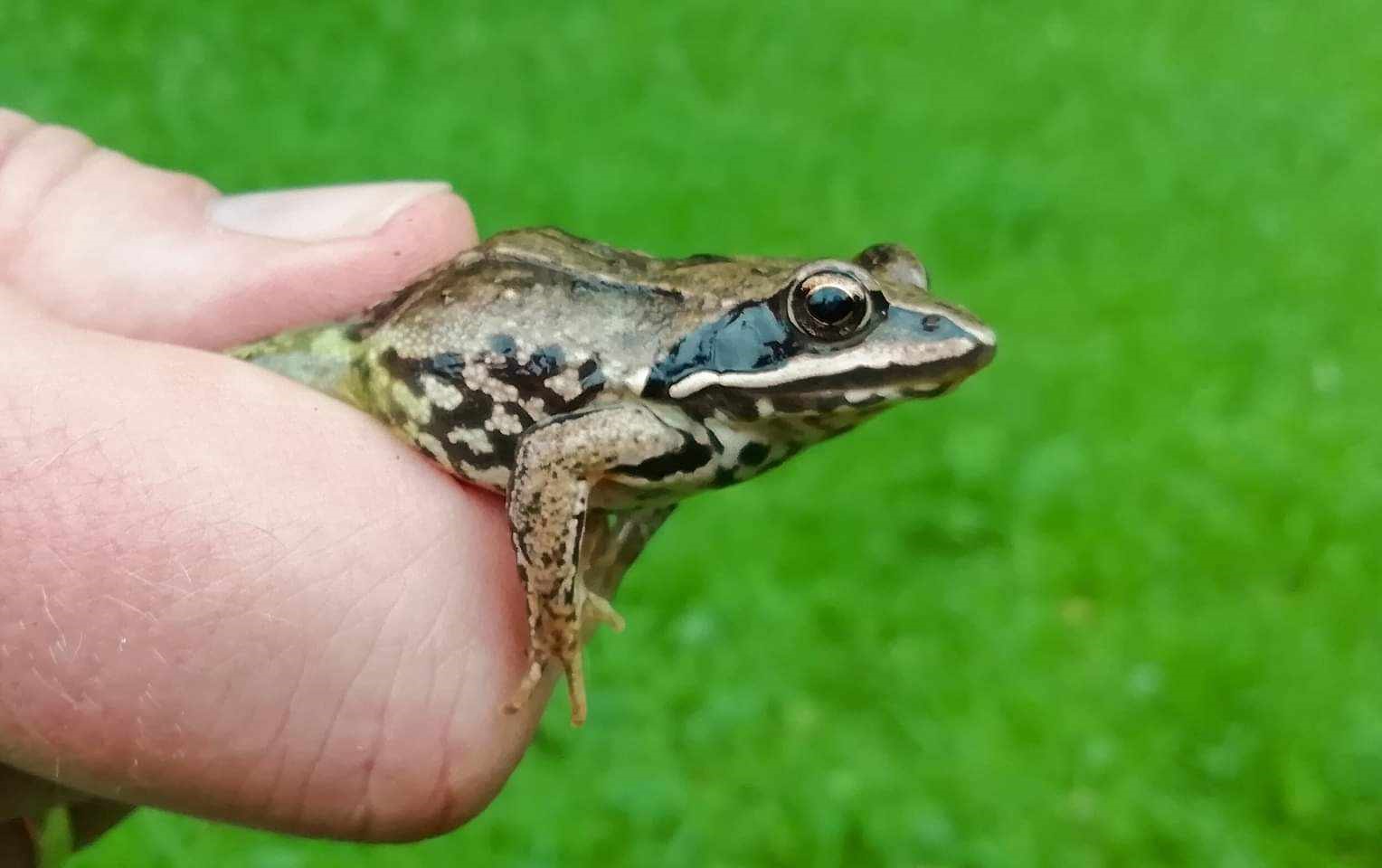
The creation of a water reservoir in Dolinka Służewska, within the basin of dried-up ponds, fed by the Służewiecki Stream, proved to be a great success. Thanks to this, we have not only improved small-scale water retention but also ensured habitat diversity and created a wetland. It appears that this initiative has increased the population of the common newt in the Dolinka area. Furthermore, the reservoir we restored near the Służew Culture Centre has become a breeding ground for the moor frog, a species we had not observed for quite some time.
You can read more about our work on reservoirs, watercourses and canals in the Water section.
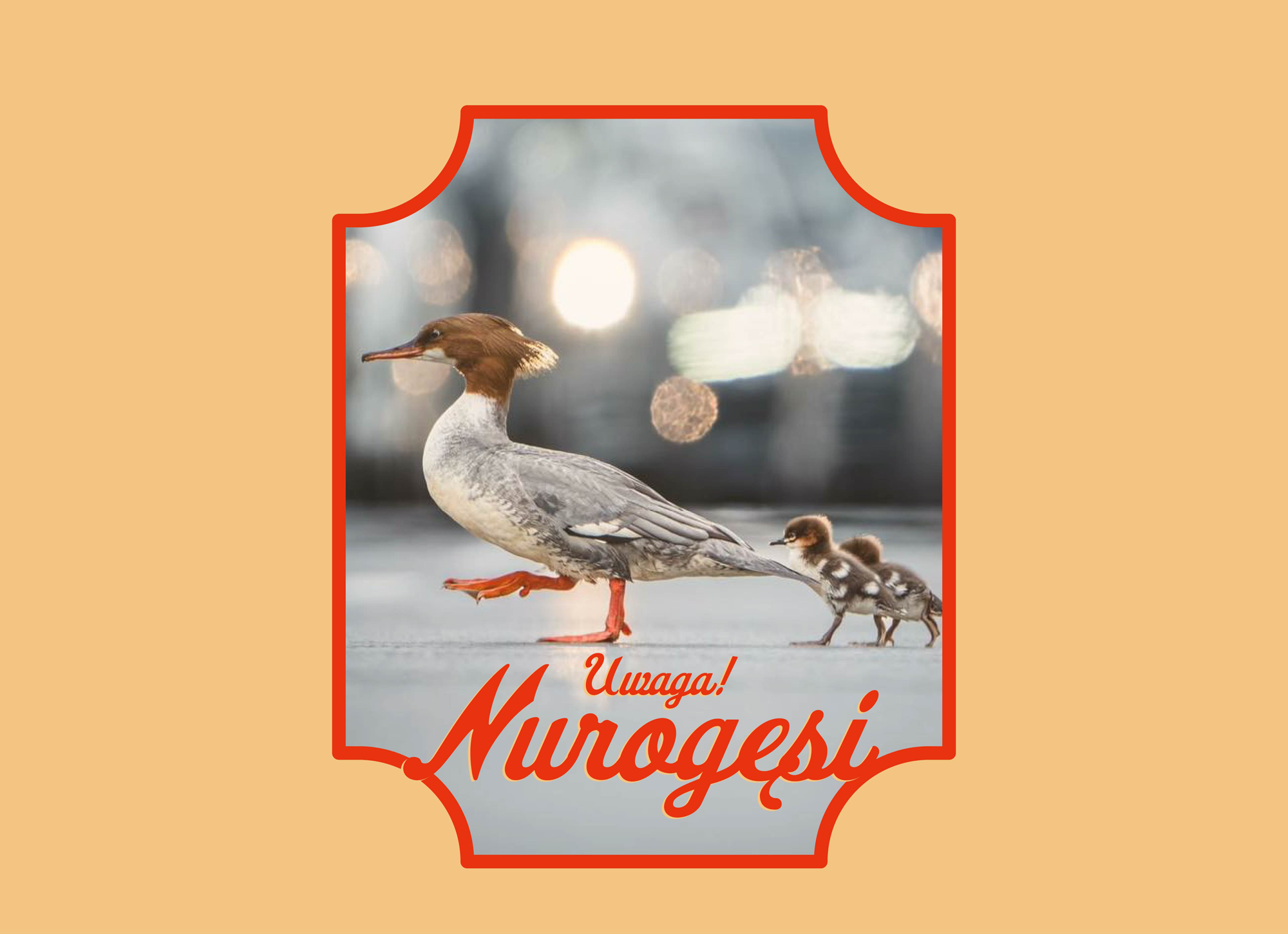
The Piaseczyński Canal, which is under our care, serves as an important ecological corridor for common mergansers – waterbirds from the duck family that are rarely found nesting in Poland.
Birds nesting in Łazienki Park have to cross the Piaseczyński Canal and two streets: Myśliwiecka and Czerniakowska. Along the way, they must overcome many obstacles and dangers – busy roads, other birds, dogs – and crossing to the Vistula is a real challenge for them.
Every year in April and May, we coordinate a conservation campaign in collaboration with volunteers and municipal services – the city guard, the police and the Municipal Roads Authority. The campaign usually involves 20–30 volunteers and a dozen or so ZZW staff members, trained in traffic management. In 2025, at Czerniakowski Port, we established the Nurogęś Corner, which serves to provide nature education and protect the migration corridor of these unique waterbirds.
The initiative also aims to promote animal welfare in the city and raise residents’ awareness of their presence in urban spaces. We want to highlight the need for caution around wild animals – whether on roads, in parks or near water – and foster greater awareness that the city is a shared space for both people and nature.
Every year we manage to save several families of smews. Given the dangers lurking for the birds, this is an undoubted success.

Warsaw City Greenery Department – 48 22 277 42 00
City Guard – 986
Polish Police – 997
Audio description of the podcast is available on our YouTube channel.
We run educational activities focused on biodiversity conservation. We organise walks, workshops and Green Volunteering, record videos and podcasts, and produce educational publications. You can find out more about our educational programme in the Education section. We also encourage you to sign up for volunteering in the Green Volunteering section.
Our organisation does not run a systematic bird-feeding programme. For those wishing to feed birds in winter, we recommend the article ‘Winter bird feeding in the city – what is allowed and what should be avoided?