

SEARCH


We carry out comprehensive surveys of flora and fauna across the areas we manage. Without them, effective conservation and the enhancement of biodiversity would be impossible. Never before in the history of Warsaw have such comprehensive, detailed and thorough surveys been conducted.
These inventories result in guidelines which we then apply across our sites. These guidelines take into account the needs of specific groups of organisms. We will repeat these inventories to monitor changes in species numbers and population sizes. In this way, we will, amongst other things, check whether our actions are delivering the expected environmental outcomes or require modification.
Some inventories result in reports containing a description of the process and the results of the studies carried out. These reports can be viewed in the Publications tab.
We hold a decision from the Regional Director for Environmental Protection in Warsaw for all studies and activities that we carry out or commission to contractors, and which require exemptions from the prohibitions listed in the Nature Conservation Act.
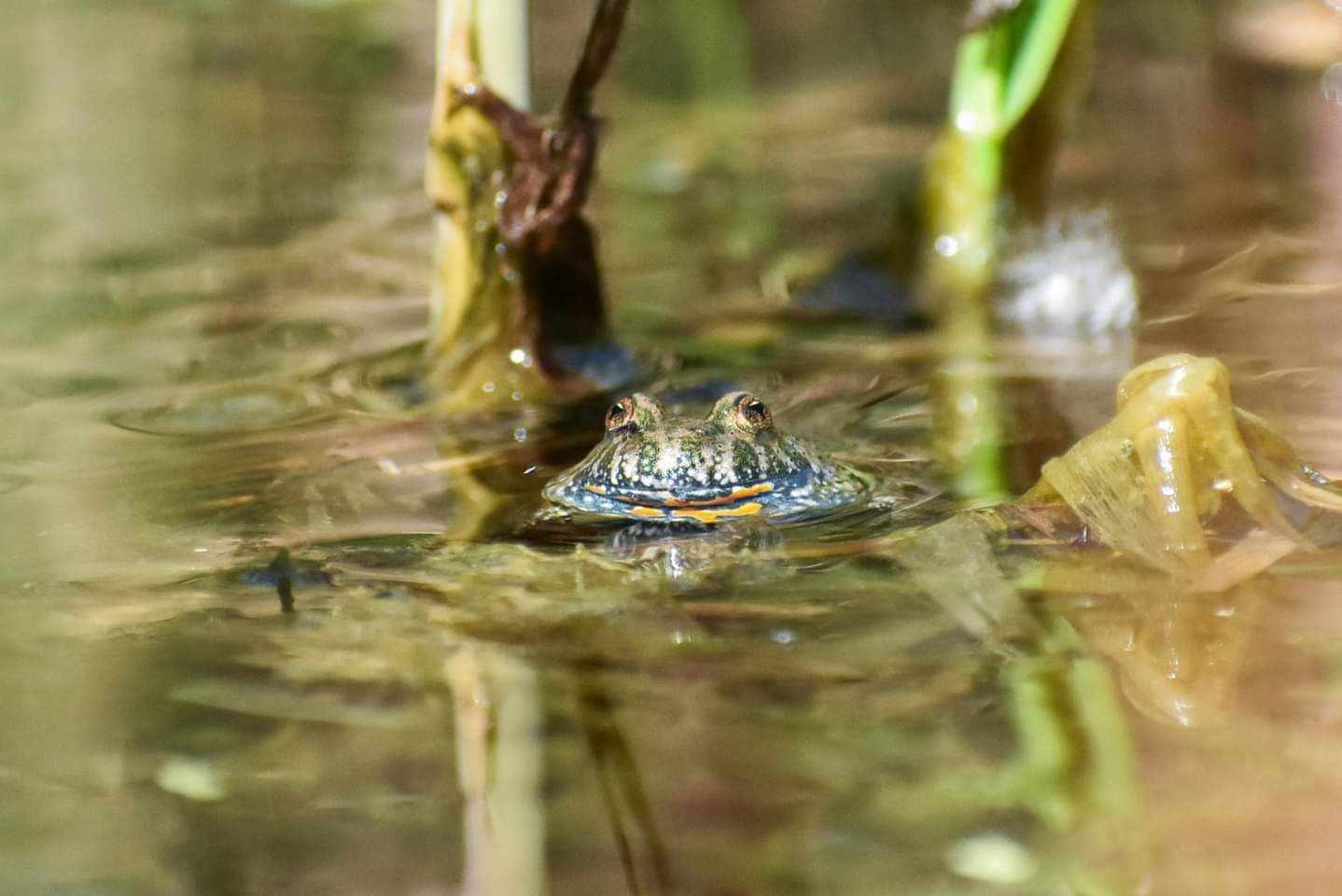
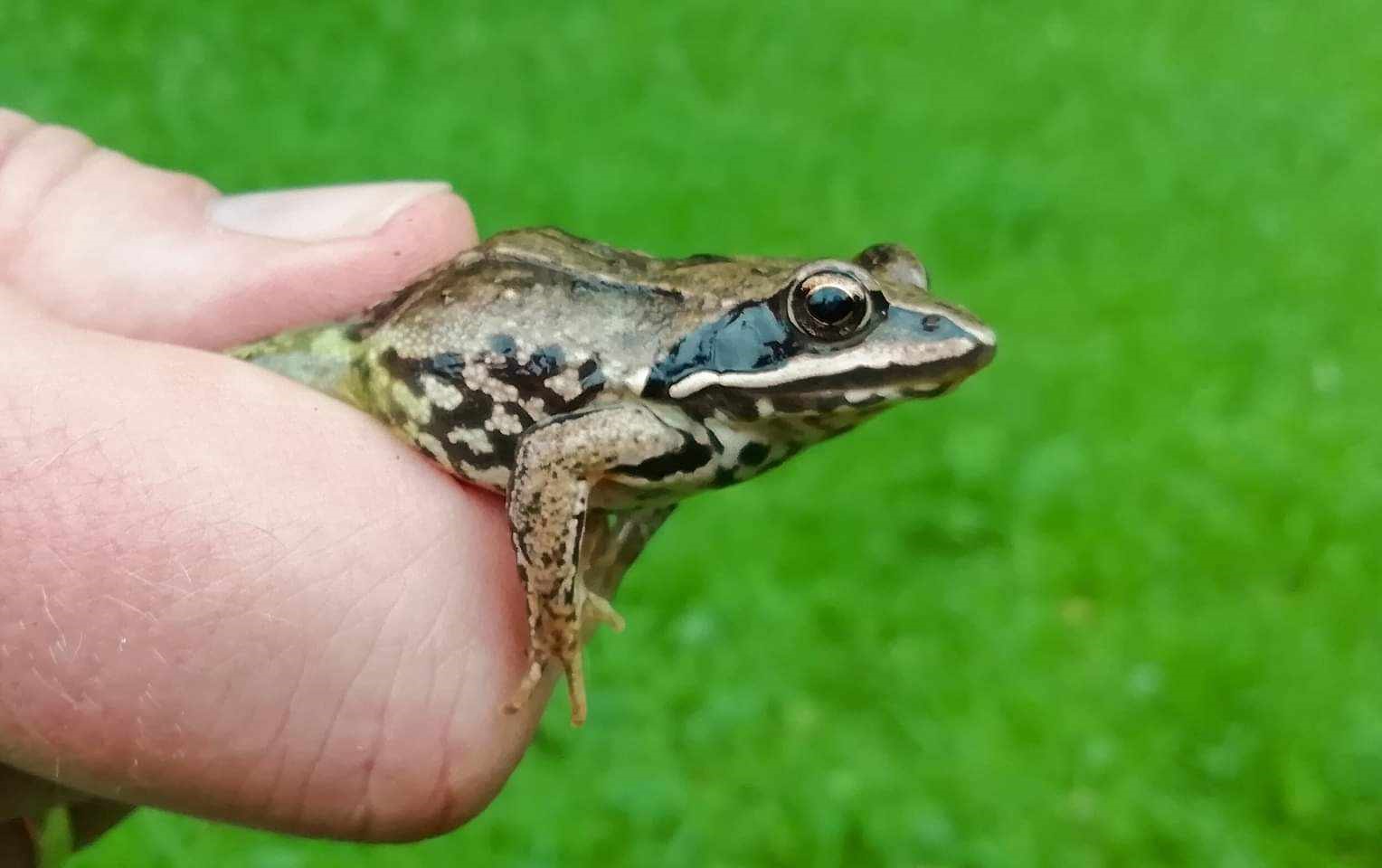
In 2024, we recorded the presence of 7 amphibian species in the areas under our management, counting green frogs collectively as a single taxon (a group of related organisms). Amphibians are a group of animals particularly at risk of extinction, and this is unfortunately the case on a global scale. They are threatened by both the effects of climate change and the direct impact of human activity on the environment. Unfortunately, we are also seeing these animals disappear in Warsaw. The number of species and the size of local populations are declining. That is why our staff take special care of this group of animals and carry out amphibian surveys to gain a detailed understanding of the status of their populations in the capital.
The inventory has led to the following measures, which we are implementing in line with amphibian biology:
Furthermore, we are adapting habitats in parks to suit the terrestrial life of amphibians. We are creating shelters for them, including for hibernation. We do this both by leaving dead wood and fallen leaves, and by creating artificial shelters (Fosa Park and the Citadel Slopes). Reducing the mowing of grasslands, meadows and reed beds also benefits amphibians. This measure increases soil moisture, lowers its temperature and reduces human presence in these areas. Reduced mowing also means more food for amphibians. The number of plant species increases, and with it comes a greater abundance of insects and molluscs, which amphibians feed on. During the amphibians’ mating season and when metamorphosed individuals emerge from the water, we inform park visitors of this, asking them to watch out for young frogs, toads and newts.
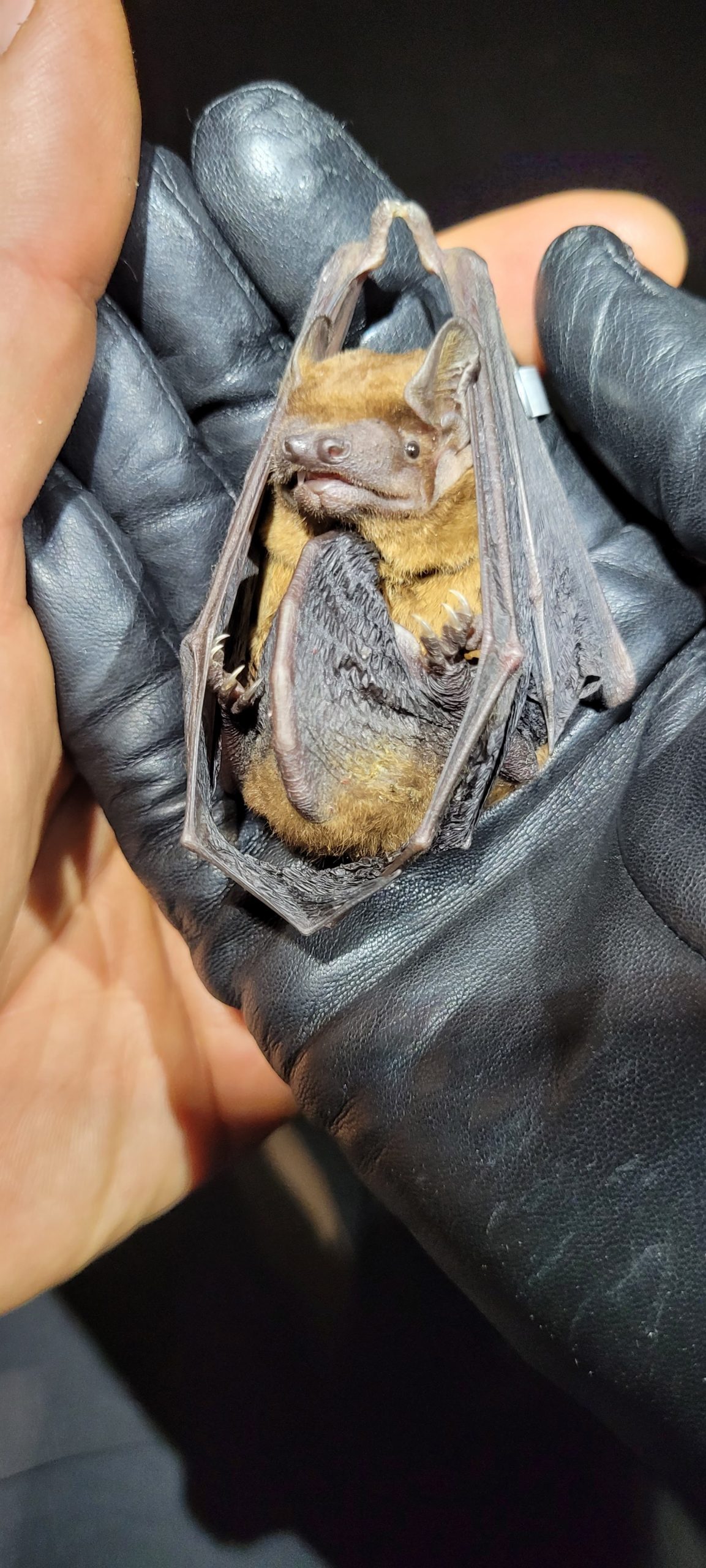
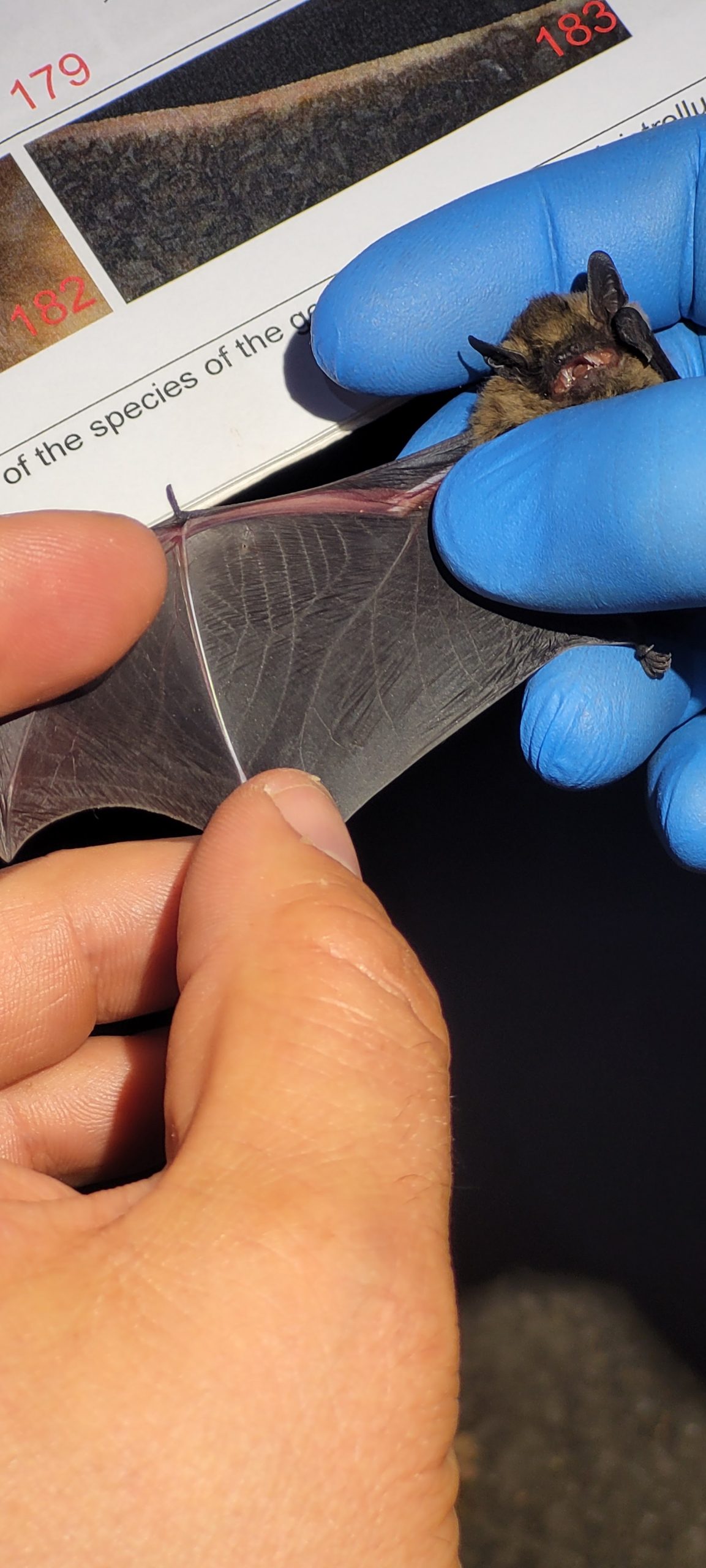
The scope and level of detail of the bat surveys we have been conducting since 2023 are unparalleled on a national scale. The research involves trapping with chiropterological nets, detector listening and searching for the mammals’ roosts. The results of the surveys are surprising not only in terms of species composition, but above all in terms of the size and density of local populations – many times higher than in commercial stands, and even in semi-natural forests.
In the seven parks covered by the study, we caught 479 bats of 9 species: the greater mouse-eared bat, the serotine bat, the silver-striped bat, the greater pipistrelle, the lesser pipistrelle, the common pipistrelle, the red-eared bat, Natterer’s bat, and the forest mouse-eared bat. The vast majority, over 80% of them, were greater mouse-eared bats.
The most important factors influencing the high abundance and density of bats are the availability of roosting sites in the form of tree hollows and bird boxes, and the abundance of food sources. Pipistrelles and forest bats are particularly keen to use boxes intended for starlings (type B), both as daytime roosts, mating sites and breeding colonies. It has also been confirmed that these mammals are increasingly spending the winter here. This is likely linked to climate change and mild winters.
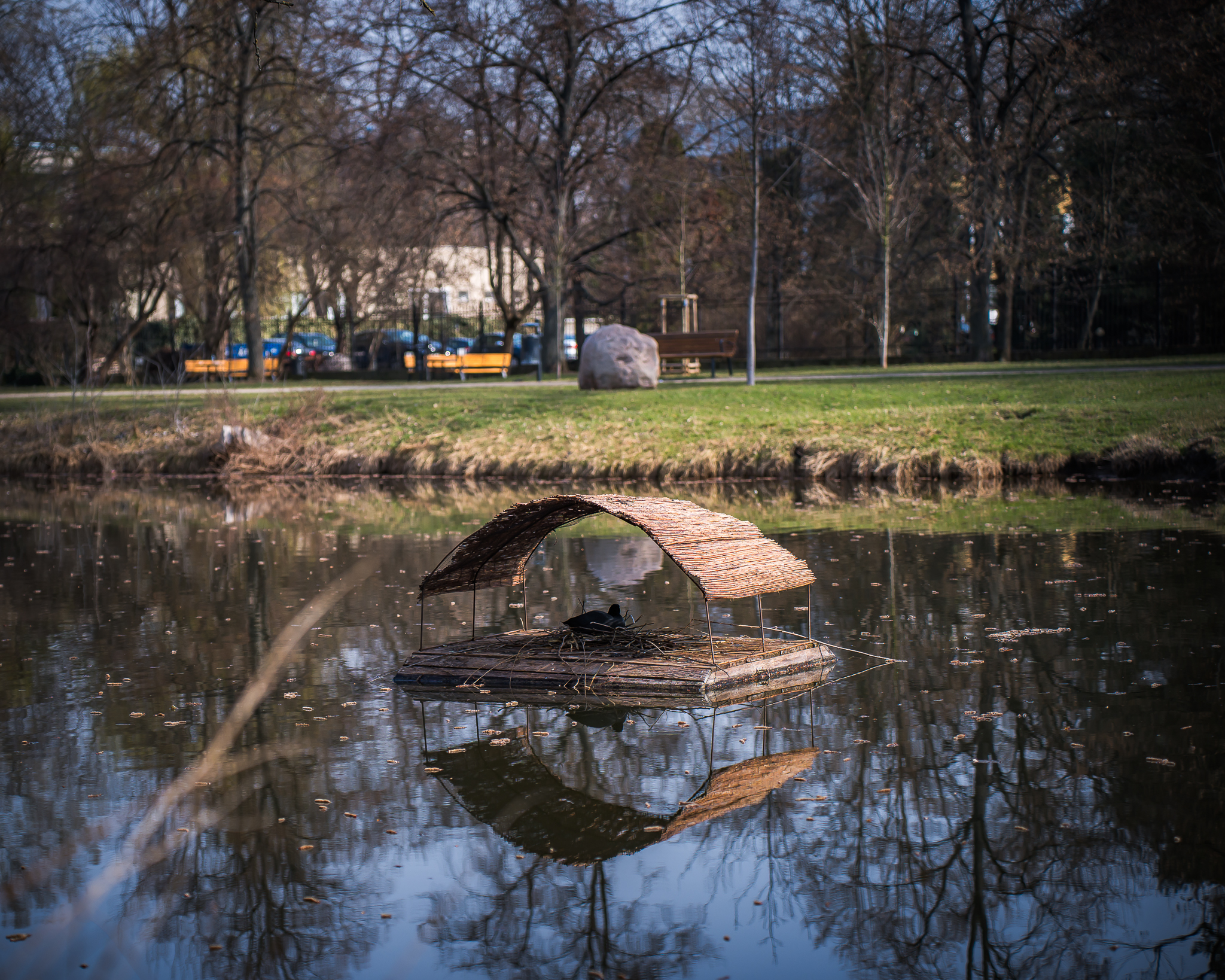
Since 2022, the Polish Society for the Protection of Birds (OTOP) has been conducting comprehensive ornithological surveys of the city’s parks, squares and green spaces on behalf of the Parks and Greenery Department.
The aim of the surveys is to determine the species composition of birds, their numbers and nesting sites, as well as to identify threats and define further measures to promote biodiversity in the city.
The surveys covered periods of key importance for birds: breeding, spring and autumn migrations, and, to some extent, wintering.
One of the most interesting areas from an ornithological perspective is Dolinka Służewska, where 98 bird species were recorded, 47 of which are breeding species. Some of these species are protected internationally and are listed in Annex I of the Birds Directive, e.g. the marsh harrier and the kingfisher. Breeding species included in the directive are the little bittern and the white-throated woodpecker.
Ten species listed on the Red List of Birds of Poland (CLPP) were also observed, three of which bred in the park: the little crake, the grey warbler and the pied flycatcher. This rich species composition is largely influenced by the diversity of habitats: woodland, a stream, ponds, rushes, herbaceous vegetation, shrubs, an orchard and dead trees.