

SEARCH


The reservoirs we manage serve important ecological, landscape, recreational and flood retention functions. We manage over 40 reservoirs with a total surface area of more than 78 hectares. Many of them are located in popular parks, including Pole Mokotowskie Park, Skaryszewski Park, Saski Garden, Krasiński Garden, Promenada Park and Arkadia. Throughout the year, we carry out maintenance work aimed at keeping the reservoirs in the best possible condition.
A list of the water bodies we manage can be found under the ‘Water Areas’ tab.
In the parks, we take care of the immediate surroundings of ponds and reservoirs to allow residents to relax by the water. Where possible, we create walking paths, install benches and litter bins, and create flower beds – for example, by the pond in Olga and Andrzej Małkowski Square in Mokotów.
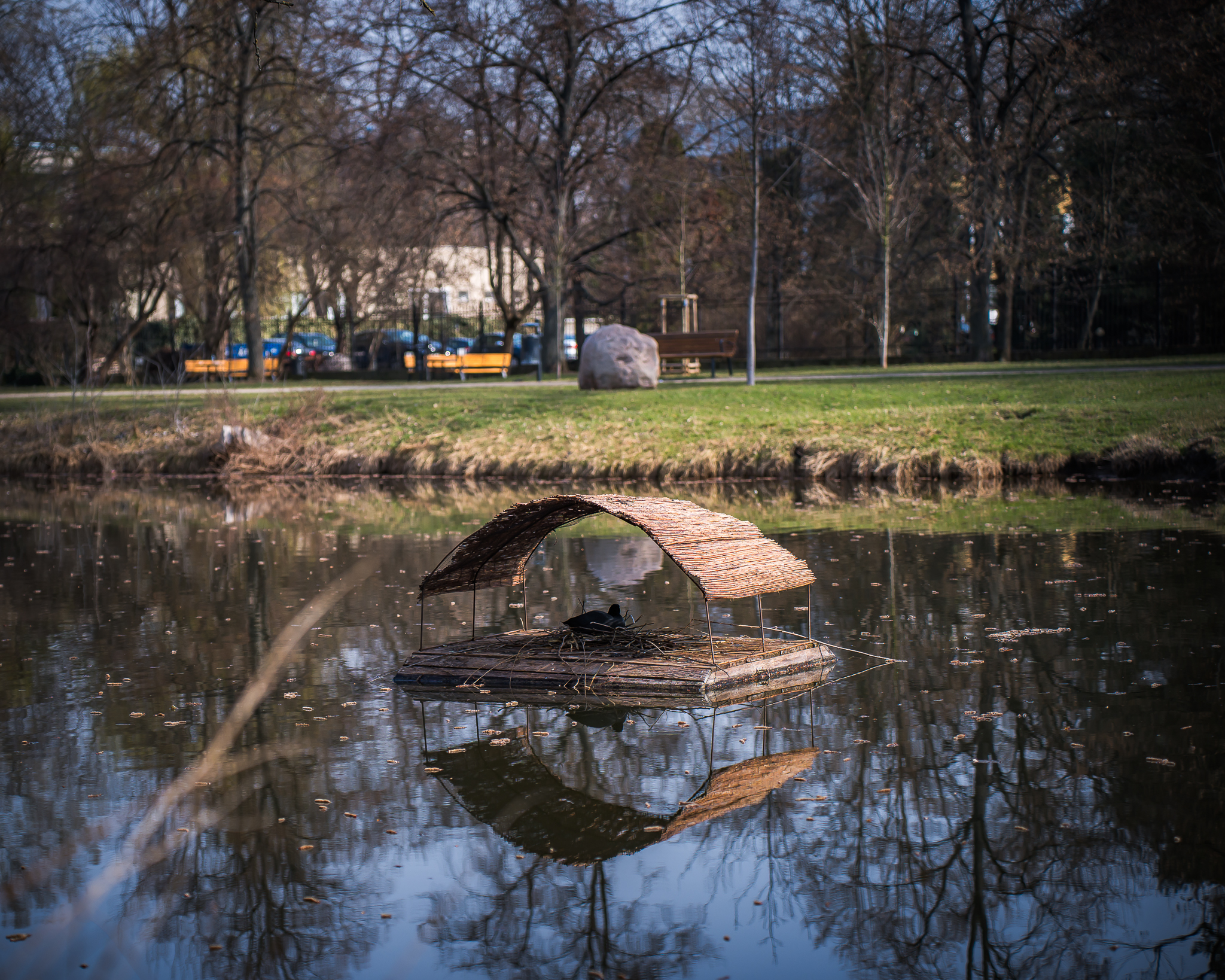
Park water bodies enhance the aesthetic value of the landscape, but above all they serve as a refuge for animals, a place for them to breed and forage, thereby contributing to increased biodiversity. However, due to the urbanisation of the city, particularly in its very centre, most natural water bodies, open canals and natural watercourses have been altered (by being channelled into pipelines) or even eliminated by being filled in.

A pond in Skaryszewski Park
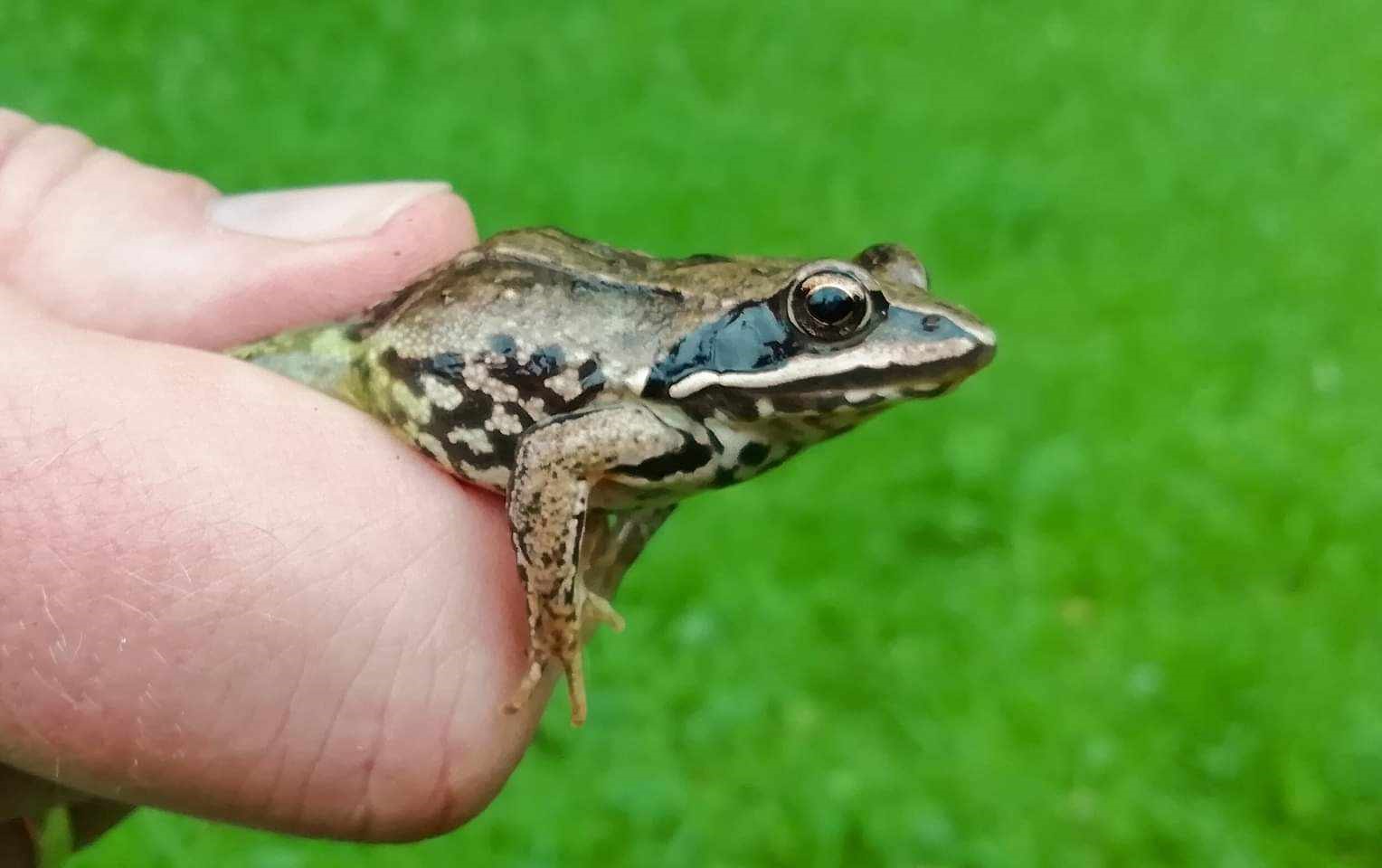
Artificial water bodies in parks and squares have sealed bottoms and slopes that are partially concreted or reinforced with slabs. They serve as breeding grounds for amphibians, which are protected species in Poland. In Warsaw’s reservoirs, one can find, amongst others, the green toad and the common newt. Their survival depends precisely on the presence of small, shallow water bodies in the landscape. Taking environmental considerations into account, it is necessary to fill the artificial reservoirs in parks and squares with water. This process is carried out in a way that ensures the lowest possible loss of water drawn from the municipal network, so as not to exacerbate the difficult situation caused by the hydrological drought. In order to minimise the strain on the water supply network caused by increased water consumption, the reservoirs are filled in early spring, using the minimum possible water intake. The reservoirs are filled over an extended period, at a rate that does not affect the network’s capacity.
Using existing sluice gates on two Warsaw canals – Nowa Ulga and the Gocław Canal – we dam up water in the canal beds to supply vegetation in the riparian areas during droughts and ensure a constant flow of water to Lake Balaton and Kamionkowskie Lake. In Skaryszewski Park, we regulate the flow using an existing sluice gate. Through simple water retention measures, water levels in Kamionkowskie Lake and in the Duck Ponds and Kosk Ponds in Skaryszewski Park have risen by approximately 60 cm.
We strive to enhance biodiversity, which is why we limit our activities to only what is strictly necessary. Sometimes the reservoir may look neglected, but it is teeming with life beneath the surface. We aim to carry out maintenance work in the autumn. During the spring and summer season, we only occasionally remove algae and organic matter floating on the water’s surface, as this serves as a source of food and shelter for various organisms living in the aquatic environment.
In addition, we seal the reservoirs, inspect and replace faulty water level control valves to limit uncontrolled outflows from the reservoirs, thereby reducing water loss.
Audio description available on our YouTube channel.
The quality of water in reservoirs significantly affects the habitat conditions of organisms living in the aquatic environment. As part of our maintenance work, we continuously monitor the water quality in reservoirs and carry out, amongst other things, regular testing of water and bottom sediments.
In some reservoirs, we are implementing specialist bioremediation measures (a technology for removing pollutants). To date, our work has covered, amongst others, two water reservoirs within Skaryszewski Park and Kamionkowskie Lake (Praga-Południe), one of the Brustman Ponds (Bielany) and – as part of projects funded by the participatory budget – the pond on Dolna Street (Mokotów). Thanks to these measures, the condition of the water in the reservoirs is improving through a reduction in the amount of sediment, biogenic compounds (pollutants) dissolved in the water, and cyanobacteria and algae; ultimately, a process of biological self-purification of the water will be initiated. The water in the reservoirs will become clearer and contain more oxygen, which will significantly improve the habitat conditions for organisms living in the aquatic environment.
The renaturation of reservoirs involves many nature-friendly measures – the result is an improvement in living conditions for birds, amphibians and other declining animal species associated with urban aquatic habitats.
We are restoring areas of natural vegetation, which, amongst other things, perform a phytoremediation function – that is, the plants purify the water and do so effectively enough that no additional measures are required. What is more, these plants also serve as a form of bank reinforcement. We reinforce the banks in such a way that it looks natural – the vegetation we introduce into the water bodies will cover the artificial reinforcements. In our reinforcements, we also use natural materials, such as wood or coconut mats, which also provide a substrate for the plants.
In addition to restoring areas of natural vegetation, we also build water retention weirs, create shallow areas, carry out localised de-concreting and flatten slopes.
We have carried out work in this area as part of, amongst other things, two projects co-funded by the European Union.
Within Pole Mokotowskie Park, renaturation works were carried out as part of the project ‘Development and organisation of green areas together with recreational elements within Pole Mokotowskie Park, Żeromski Park and Ogrody Kosmosu Park in Warsaw’. As part of the modernisation, a new, natural water system with zones of rush vegetation was created. We removed the concrete from the main pond in the park; the basin was reshaped to accommodate the new water system, and drainage pipes were laid at the bottom. Smaller ponds were also de-concreted and reshaped.
The renaturation of the water bodies was a key element of the activities under the project entitled “Protection of endangered species associated with aquatic habitats in Warsaw”. For renaturation, we selected water bodies where we observed the disappearance of protected animal species – in particular amphibians (their extinction indicates the degradation of the area where they lived). The works covered the Brustman Ponds (Bielany), the water bodies on Tołwińskiego Street (Żoliborz), the Piaseczyński Canal in Agrykola Park (Śródmieście), water bodies along Trasa Siekierkowska (Mokotów) and the ponds in the buffer zone of the S. Starzyński Kabacki Forest Nature Reserve (Ursynów). We developed the concepts for the restoration of natural conditions following numerous studies and expert assessments. You can find more information about the project in the Biodiversity section under the EU Projects tab.